Buyers sourcing bags, sleeves and accessories increasingly ask about both genuine leather and vegan leather options, and the right choice depends on the target market, price point and how the end customer weighs material authenticity against sustainability positioning. This guide walks through the practical differences buyers should weigh before choosing between the two.
Genuine Leather
Genuine leather offers a traditional look, feel and smell that many buyers and end customers still associate with quality and status. It's typically positioned at a premium price point, and its durability generally improves with proper care over time, developing a patina rather than simply wearing out. The trade-off is a higher input cost and, for some markets, growing customer preference for non-animal-derived materials.
Vegan Leather
Vegan leather (synthetic leather alternatives) offers a more accessible price point and appeals directly to buyers whose end customers are seeking non-animal-derived materials, whether for ethical, religious or environmental reasons. Quality varies significantly by manufacturer and material grade, so requesting a sample before a bulk order is worth the small delay, since the difference between a good and poor vegan leather is far more noticeable to the end customer than the equivalent gap in genuine leather.
Side-by-Side Considerations
- Price positioning: genuine leather supports a premium price point; vegan leather supports a more accessible one
- Durability profile: genuine leather typically ages and improves with care; vegan leather quality is more dependent on the specific material grade used
- Customer messaging: vegan leather supports sustainability and ethical-sourcing positioning that genuine leather cannot
- Sample-first sourcing: this matters more for vegan leather, where quality varies more between suppliers
What GRMB EXPORTERS Offers
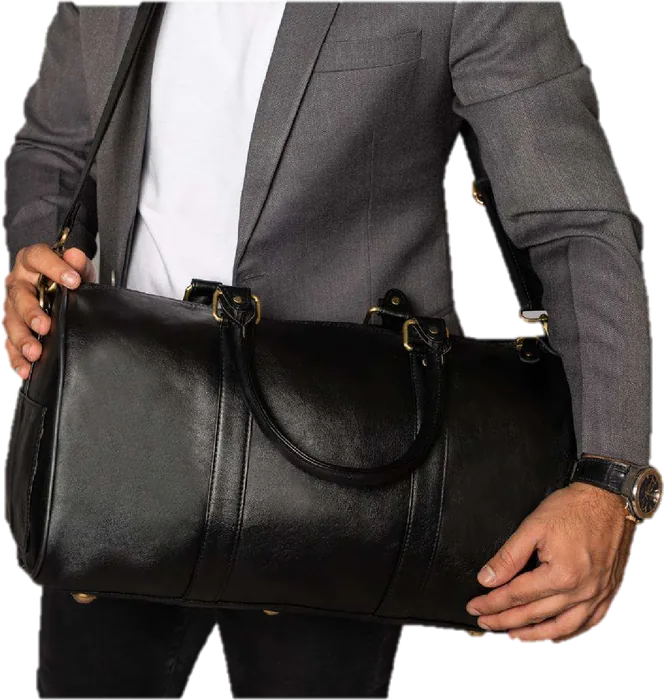
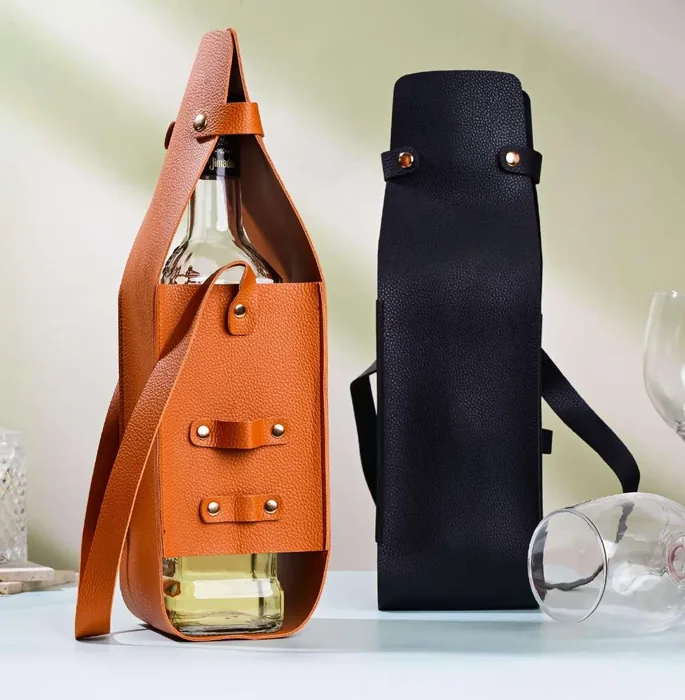
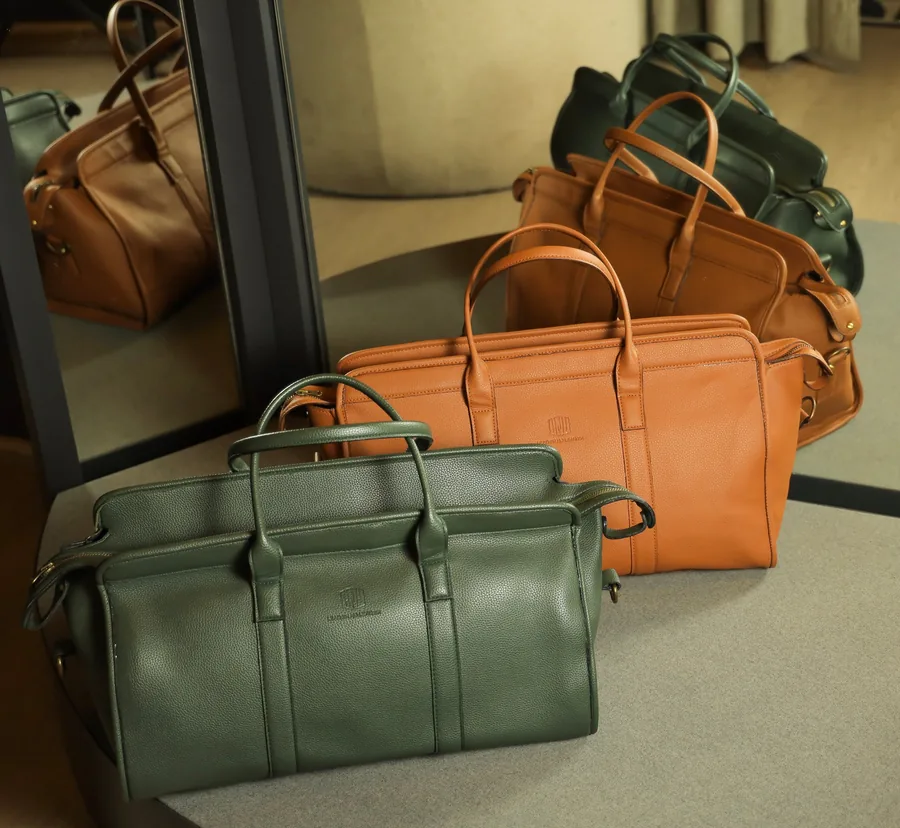
Our Leather/Vegan Leather collection is handcrafted with precision and attention to detail, with reinforced stitching and quality hardware across the range. Vegan leather alternatives available across most product types are available for buyers prioritizing that positioning, and embossing, color options, and bespoke designs available on request can be discussed for bulk orders regardless of which material a buyer chooses.
Why Buyers Choose This Collection
- Premium Materials
- Precision Craftsmanship
- Timeless Design
- Customization Available
- Export-Grade Finishing
- Global Export Quality
Making the Decision for Your Market
If your end market skews toward traditional, premium positioning and customers who value material authenticity, genuine leather is usually the safer default. If your market is price-sensitive, younger, or actively values sustainability messaging, vegan leather is worth testing, ideally alongside a genuine leather line rather than as a full replacement, so you can compare actual sell-through before committing a full order to one material.
Caring for Each Material
Genuine leather products benefit from occasional conditioning and should be kept away from prolonged direct moisture, which is worth communicating to end customers as part of the product's premium positioning. Vegan leather generally requires less specific care and tolerates everyday use and cleaning more easily, which can itself be a selling point for a lower-maintenance, price-conscious buyer.
Certification and Sourcing Transparency
Buyers building a sustainability-focused retail message around vegan leather should confirm what documentation is available to support that positioning to their own end customers, since vague sustainability claims are under increasing scrutiny in many export markets. Similarly, buyers positioning genuine leather as a premium product should confirm sourcing and tanning practices align with what they intend to communicate to customers.
Running a Side-by-Side Trial
For buyers genuinely undecided between the two materials, the most reliable approach is a small side-by-side trial order: the same or similar product in both genuine and vegan leather, sold through the same channel over the same period. This removes guesswork from the decision, since actual sell-through and customer feedback in your specific market will usually settle the question faster than a general comparison can. It also gives you real data to decide whether to run both materials as a permanent dual offering or commit fully to one.
Pricing Strategy Across Both Materials
Because genuine leather and vegan leather carry different input costs, buyers often price them at different tiers within the same product line rather than at a uniform markup. This lets a single product design serve two price segments, which can be useful for buyers wanting to reach both a premium and a value-conscious customer base without maintaining two entirely separate product catalogs.
A Practical Starting Point
If you're unsure where to begin, a reasonable default is to lead with genuine leather for your flagship or highest-visibility products, where material authenticity supports a premium price and a stronger brand story, and introduce vegan leather alongside it for a lower-priced entry point into the same range. This structure lets both materials support each other rather than competing directly, and it gives your buyers a reason to trade up from the vegan leather entry product to the genuine leather flagship over time.
Frequently Asked Questions
Is vegan leather as durable as genuine leather?
Durability depends heavily on the specific material grade. Our vegan leather products are built with reinforced stitching and quality hardware to maximize durability within that material category.
Can I order a sample before committing to a bulk order?
Yes, requesting a sample first is recommended, particularly for vegan leather where quality varies more between grades.
Can I get custom colors or embossing?
Embossing, color options and bespoke designs can be discussed for bulk orders.
Can I order both genuine and vegan leather products in the same shipment?
Yes, mixed-material orders are common, particularly for buyers testing both positioning options in their market.
How Material Choice Affects Packaging and Shelf Life
Genuine leather products generally benefit from breathable packaging that avoids trapping moisture over long storage or shipping periods, since prolonged humidity exposure inside sealed plastic can encourage mildew on natural material. Vegan leather is less sensitive to this, tolerating standard poly-bag retail packaging without the same moisture concerns. Buyers planning long warehouse storage before goods reach end customers should factor this difference into their packaging decision, particularly for genuine leather items destined for humid climates.
Evaluating Supplier Claims About Vegan Leather
Because "vegan leather" covers a wide range of underlying materials and manufacturing quality, buyers should ask suppliers specifically what the material is made from and how it's finished, rather than accepting the term at face value. A good supplier should be able to describe the material composition clearly and provide a sample that demonstrates the actual hand-feel, flexibility and finish quality a buyer's end customers will experience, rather than relying on the label alone to carry the sale.
Browse the Collection
The full range, including duffle bags, laptop sleeves and accessories in both genuine and vegan leather, is listed on the Leather / Vegan Leather Products page.